
Patients Seen For Weight Loss Programmes

Low-Carb vs. Low-Fat: Which Approach Is Right for You?

Few topics in nutrition generate more debate than whether reducing carbohydrates or reducing dietary fat produces better outcomes for weight loss and health. The honest answer is that both approaches can work—but they suit different metabolic profiles, work through different physiological mechanisms, and require different levels of clinical support.

What modern evidence makes clear is that food quality matters just as much as your macronutrient ratio. Reducing carbohydrates or fats whilst eating ultra-processed products is not the same as eating whole, nutritious foods. Real, minimally processed foods naturally normalise appetite and restore metabolic health, whereas ultra-processed options actively undermine your long-term weight loss goals.

The Fundamental Principle of Weight Loss

Losing weight ultimately requires a calorie deficit. However, the foods you eat profoundly affect how hungry you feel, how your body stores energy, and how your baseline metabolism functions. This is precisely why a simple "eat less, move more" approach consistently fails. One-size-fits-all diets ignore your unique internal biochemistry. To achieve long-term success, you must use a diet structure that works with your body, not against it.

How Each Approach Works

The Low-Carbohydrate Approach

A well-designed low-carbohydrate approach typically restricts carbohydrate intake to under 130 grams per day. By minimising sugar and starch—such as bread, pasta, rice, and processed treats—this diet achieves specific metabolic changes:

Lower Insulin and Blood Glucose:

Reducing carbohydrate intake directly addresses insulin resistance, lowering the physiological drive to store fat.

Suppressed Hunger Signals:

For many people, a low-carb diet stabilises blood sugar levels and manages appetite more effectively than a high-carbohydrate regimen.

Improved Cardiovascular Risk Factors:

This approach frequently drives clinically meaningful improvements in circulating triglycerides and HDL-cholesterol.

Preserved Lean Tissue:

Combined with adequate protein and structured resistance training, low-carb diets draw heavily on stored fat reserves while robustly safeguarding muscle mass.

The Low-Fat Approach

A healthy low-fat diet focuses on reducing calorie-dense fatty foods to naturally establish a calorie deficit. Rather than relying on processed "low-fat" supermarket products that are artificially loaded with refined sugar, a structured low-fat plan centres on lean proteins, fruits, vegetables, legumes, and high-fibre whole grains.

Naturally Reduced Calorie Density :

Because fat contains more than double the energy density of protein or carbohydrates, limiting high-fat foods helps prevent the passive overconsumption of excess calories.

Familiar and Socially Flexible:

For many individuals, a whole-food, low-fat plan feels easier to maintain during social occasions and fits more seamlessly with their lifestyle.

Supports Cardiovascular Risk Profiles:

This approach is well-tolerated and can be highly effective at lowering elevated LDL-cholesterol.

Why Protein and Muscle Mass Matter

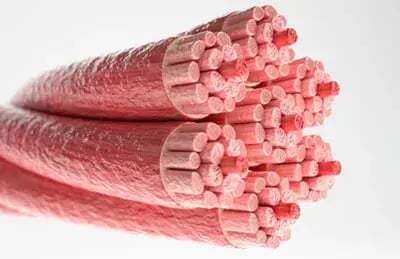
Regardless of whether you choose a low-carb or a low-fat framework, simply making the numbers on the scale drop is not a true marker of healthy weight loss. If a diet is poorly managed, or if your calorie deficit is too aggressive, your body will rapidly break down muscle tissue for energy.

Muscle mass is the engine of your metabolism; it supports physical movement, strength, blood sugar control, and long-term weight maintenance. Therefore, any structured weight loss programme must prioritise high-quality fat loss while actively preserving lean muscle. This requires consuming adequate protein each day, integrating safe, strength-based exercise, and avoiding the dangers of repetitive crash dieting.

protection-of-muscle

Which Approach Is Right for Your Biology? 

Book a Consultation

Finding the right nutritional strategy is the foundation of long-term health and weight stability. Let our clinical team remove the guesswork and build a structured, evidence-based plan that is optimised for your unique biology.

Book a Consultation If biological barriers, metabolic complications, or joint pain are limiting your ability to lose weight, we can help you break the cycle safely using an evidence-based, structured medical approach.

Our Approach To Weight-loss and Long-term Health: Holistic Health Wheel

At Dr Bazire's clinic, our Holistic Health Wheel is an illustration created to show why there is never a single “one-size-fits-all” solution. Synergistic approaches are used, building on each other to achieve the ultimate goal of improving and then maintaining your health through an optimal combination of intervention and support tailored to your situation and preferences.

JDRGroup_Bazire-Medical-Recreate-Wheel_1536x1024px_02Apr2026_02 (1)

Customer Success

Read patient reviews

Dr. Bazire Review
Dr. Bazire Review
Dr. Bazire Review
Read Our Testimonials Read Our Doctify Reviews
Dr Bazire

Contact Dr Bazire

If you have a question or would like to find out more, feel free to get in touch using the form.

There’s no obligation,  just an open, friendly conversation to help you take the next step, if and when you're ready.

All messages are treated with care and confidentiality, and Dr Bazire will get back to you as soon as possible.

Registered Address: 78, Loughborough Road, Quorn, Leicestershire, LE12 8DX